Microsoft's race into generative AI, and why capability means little if the human experience can't keep up.

Microsoft Ignite's keynote put generative AI at the center of everything. Microsoft is moving fast on it, and the speed cuts both ways. I'm not a developer. I'm a designer, and the part that pulls me in is the one most keynotes skip. What is this actually like to use?
Apple and Google have been more careful about putting this in front of the public. Microsoft went the other way. The moment ChatGPT had everyone's attention, Microsoft moved, and built generative AI straight into Bing search. Quick off the mark. Not so clean on the landing.
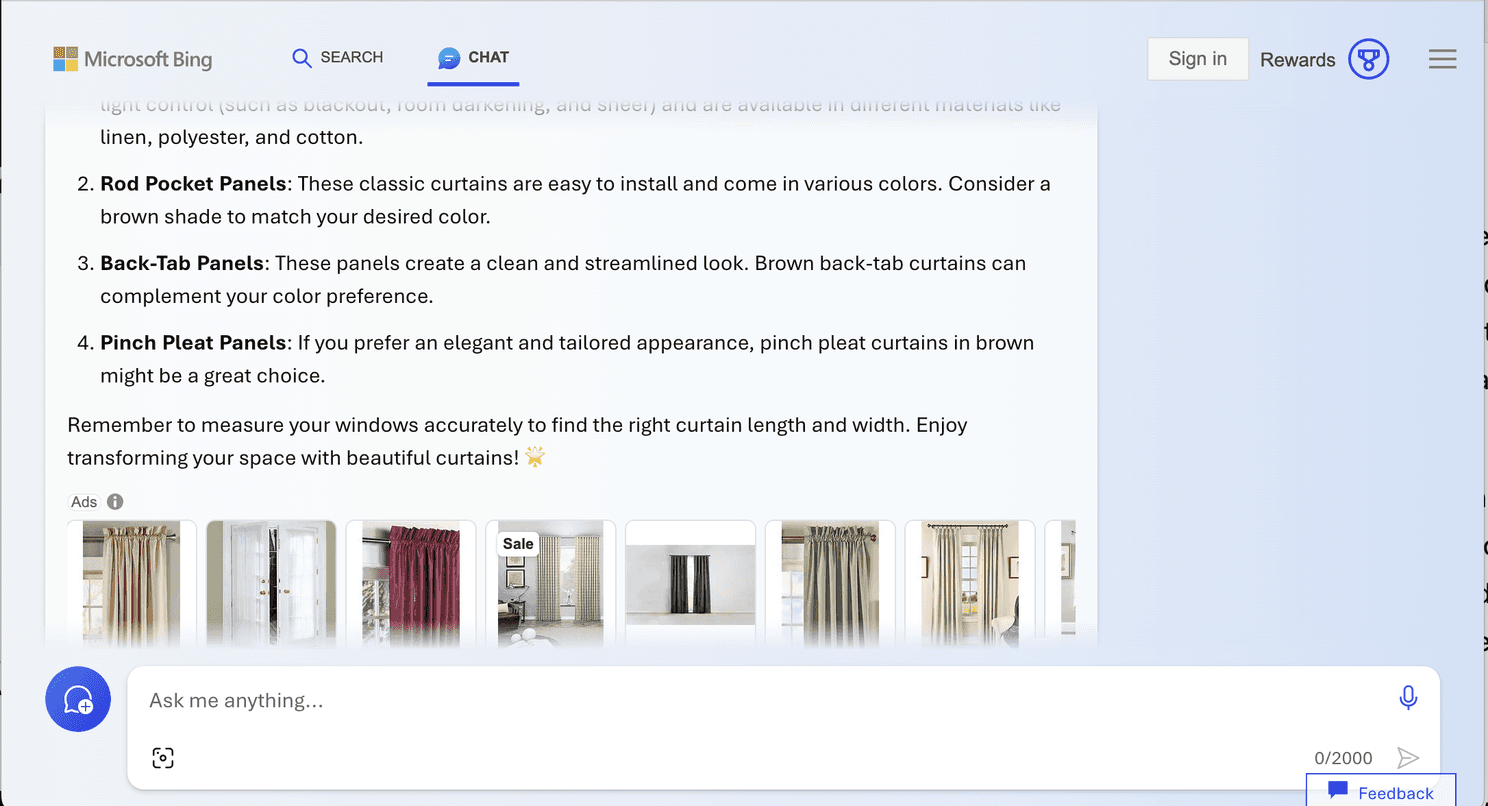
Building AI into Bing was a bold move, and it got picked apart in public. To me it read like a company trying very hard and not quite getting there. Which is the interesting part. The technology mostly worked. Using it didn't feel good.
Here's a small example. I was looking for curtains in a specific hex color. I figured Google would come up short, and Bing actually pulled it off. Then it handed me the results in tiny images with barely any options, in a layout no one would call easy. That is the problem in a single search. The capability was there. The usability wasn't.
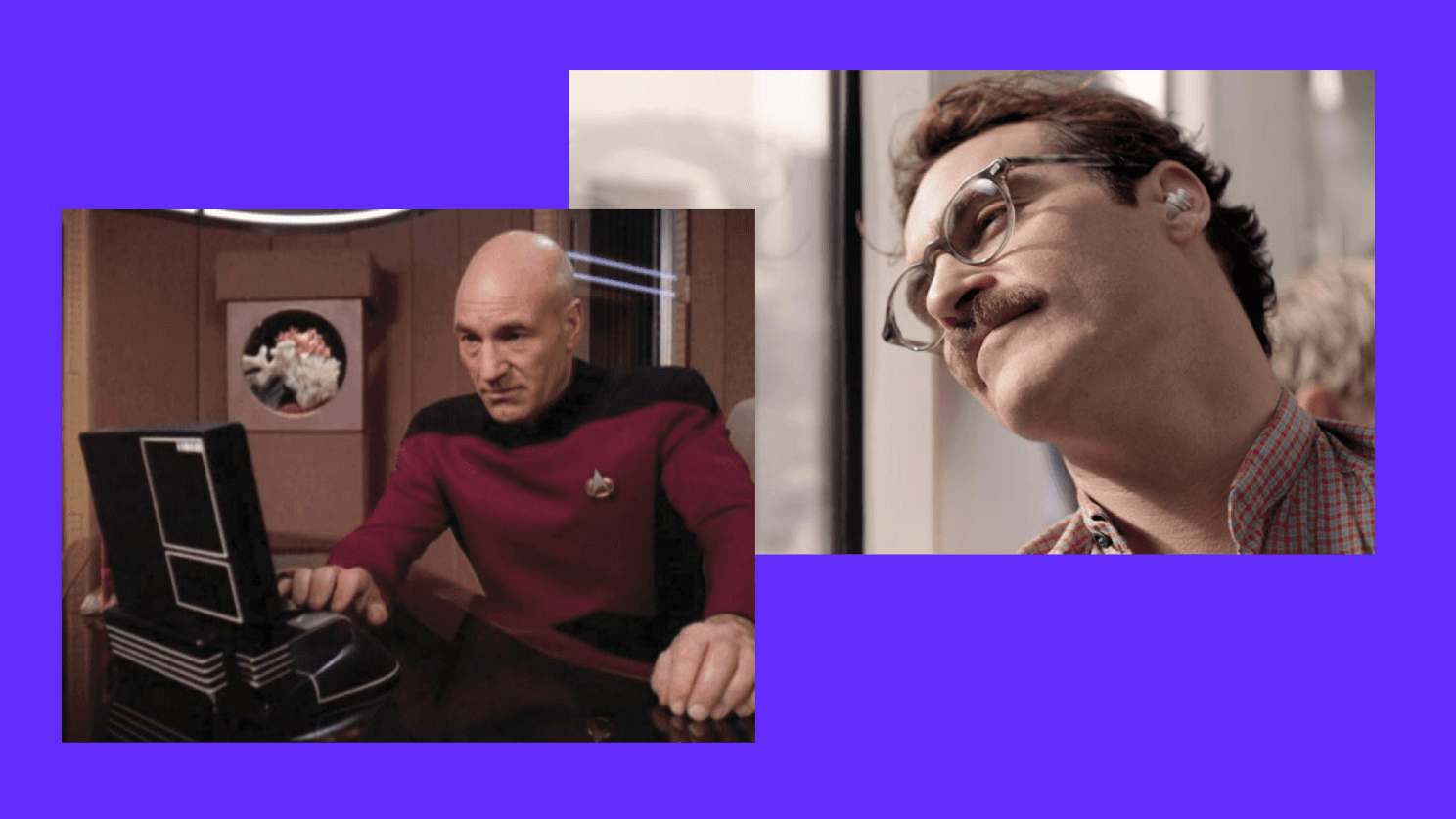
So where does this go? One path looks like the movie "Her." The assistant lives in your ear, you talk to it, and the screen quietly steps back. That's the voice-first version, and it's roughly where Google Assistant was pointing.
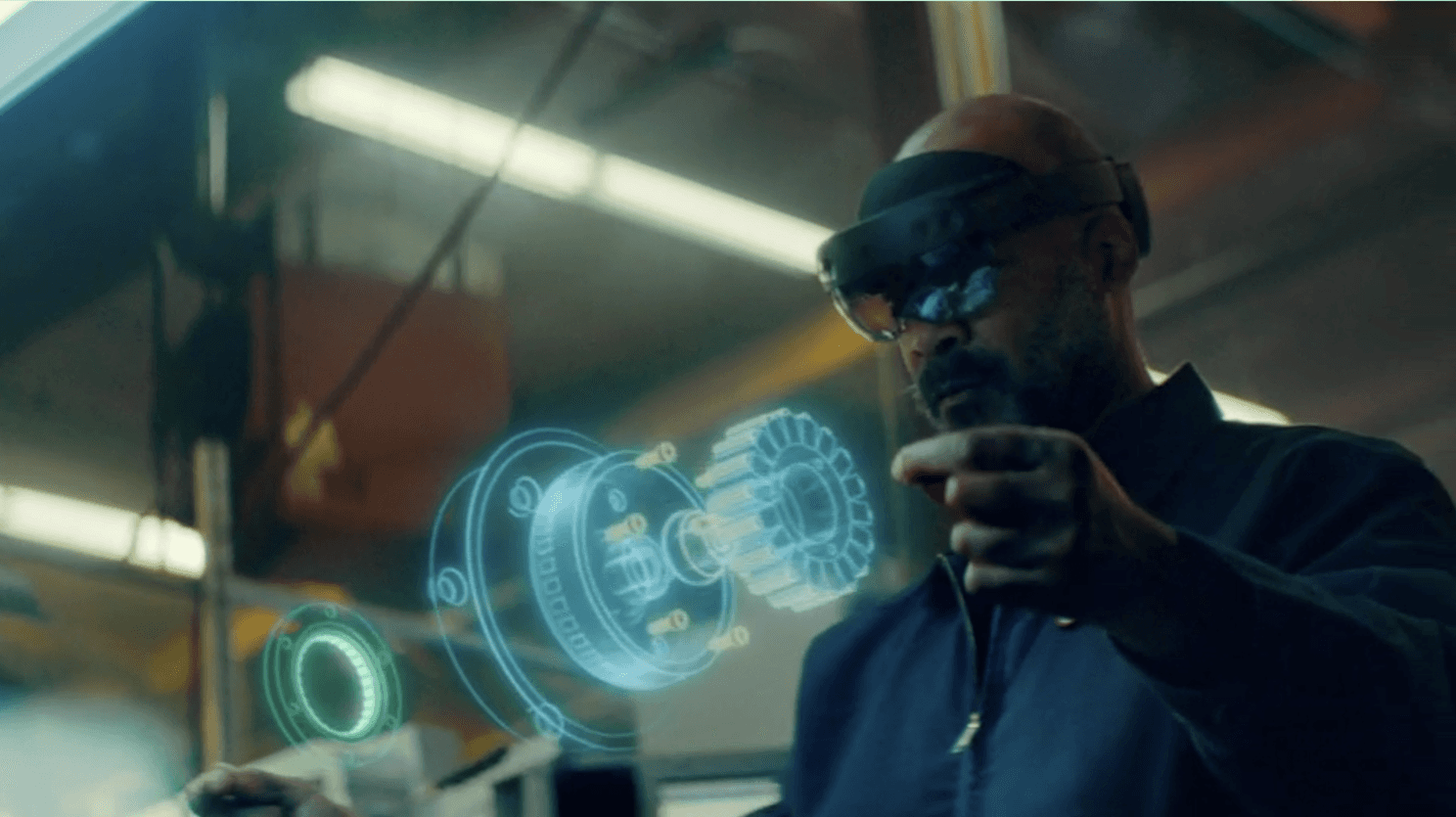
The other path looks like Hololens. You're inside a mixed reality all day, a digital layer set over the real one. It's a striking idea. It also makes me wonder what living that connected does to an ordinary afternoon, and to how present you are in the room you're actually in.
Either way, the hard part for Microsoft, and for everyone else chasing this, isn't the technology. It's making something a person actually wants to live with. The future of AI won't be settled by what it can do. It'll be settled by how well it fits into a life without taking the life over.

